Guides
Pet sitting gear for new owners, itemised
A new pet sitting business needs a leash, a crate per vehicle, food bowls, waste bags, and a fully stocked first-aid kit before the first booking.
What to take away
- Pet sitting gear for month one starts with a four-foot or six-foot flat leash, the client's own collar and ID tag, and a slip lead for dogs that back out of a collar.
- One crate or carrier per vehicle, not one per business, is the rule that keeps two walkers from fighting over the same van.
- Waste bags, a spare bowl and a leash hook cost little and get used on every visit.
- A stocked pet first-aid kit is for stabilizing an animal until a veterinarian takes over, nothing more.
- Buy used crates and used grooming tools only after you inspect them in person.
This article covers pet-care business operations, not veterinary or legal advice. Any question about an animal's health, medication or behavior belongs with a licensed veterinarian. Contract, licensing and insurance questions belong with a lawyer and a broker licensed in your province or state.
The gear list, by name
A new pet sitting business buys gear in two units: per walker and per vehicle. Prices below are typical US retail as of 2026 and shift with size.
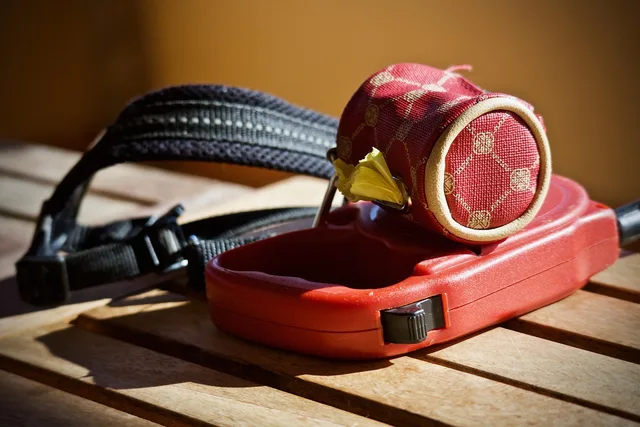
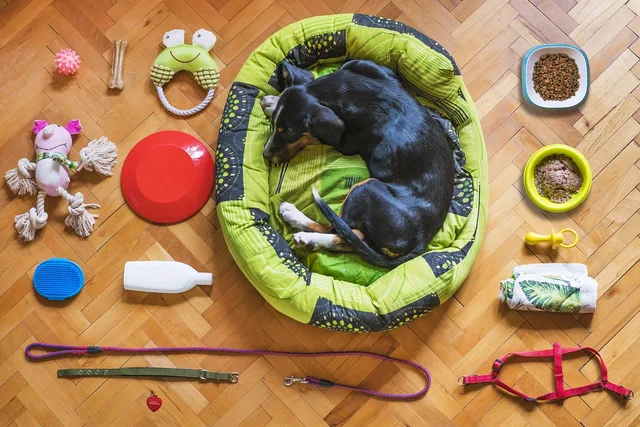
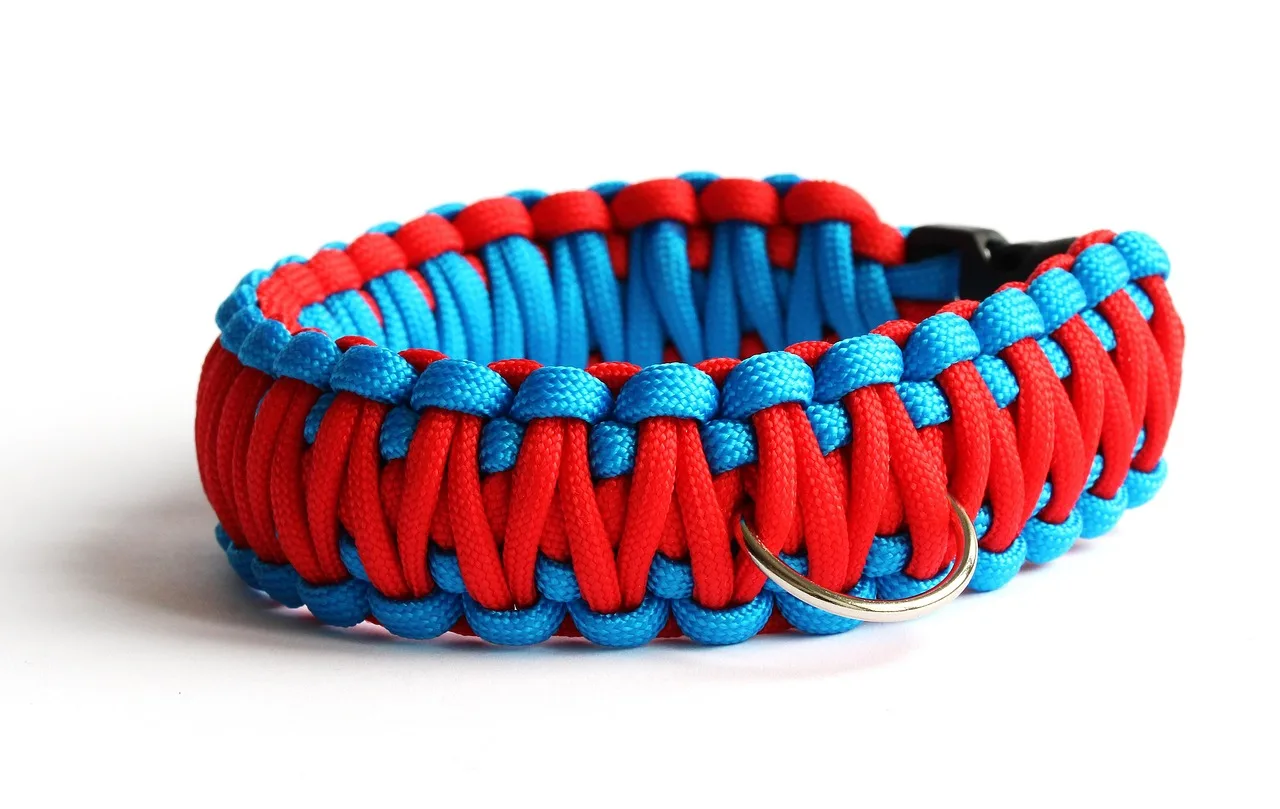
Leash and collar set. One four-foot or six-foot flat leash per walker. A Mendota double-braid snap leash typically costs $30 to $45. Lupine leashes run about $25 to $35, and the company replaces any leash a dog chews through.
Add a slip lead for dogs that back out of a collar. Keep the client's own collar and tag on the dog. Do not swap in your own ID tag, because a lost dog wearing your tag gets called in to you, not to the owner.
Crate or carrier. One per vehicle. A Midwest iCrate folding wire crate costs about $40 to $110 depending on size. The Diggs Revol collapsible crate runs about $250. Sherpa Original Deluxe soft carriers cost $40 to $90, suit cats and small dogs, and come in the size most US airlines accept in the cabin.
A wire crate for a 60-pound dog does not fold into a sedan, so match crate size to the vehicle you actually drive. Soft-sided carriers store flat between jobs.
Food and water bowls. Two collapsible bowls per walker, one for water and one spare. The Ruffwear Bivy Bowl costs about $25. Outward Hound Port-A-Bowl runs $10 to $15, and a Dexas Popware two-pack costs about $15. Silicone bowls fold into a jacket pocket and rinse clean at a client's sink.
Waste bags and a bag holder. Buy in bulk. Earth Rated sells 270 bags for about $10 to $14. Bags on Board sells a dispenser that clips to the leash, so the bag is there when you need it, not in the van.
Litter scoop and a spare litter box. For cat visits, a metal DuraScoop runs $15 to $25. A basic open pan costs about $10, and a Litter Genie pail with refill cartridges runs $20 to $35. A spare box lets you swap out a soiled one and clean it properly rather than scooping around a mess.
Pet first-aid kit. Adventure Medical Kits sells the Me & My Dog kit for $30 to $40, a workable starting point. Add gauze, self-adhering wrap, saline, a tick tool and disposable gloves. Add a slip lead sized to muzzle an injured dog that may bite.
This kit stabilizes an animal for transport to a veterinarian. It does not replace one.
Cleaning supplies. Nature's Miracle enzymatic cleaner costs $12 to $20, and Simple Solution and Vet's Best sell similar formulas. Add paper towels and hand sanitizer. The CDC's Healthy Pets, Healthy People program covers how diseases pass between animals and people and what hygiene breaks that chain.
Client key and code storage. A lock box or a keyed pouch, never a loose keyring in a cupholder. A Master Lock 5400D combination lock box costs $25 to $35 and hangs on a doorknob or gate. If you hold client addresses and door codes, PIPEDA governs how you store and dispose of that data.
Phone mount, charger and a paper backup. Scosche MagicMount costs $15 to $25, the iOttie Easy One Touch 5 runs about $25, and a RAM Mounts X-Grip costs $40 to $55. Add a 12-volt USB adapter and a 10,000 mAh power bank at $25 to $40.
Your schedule lives on a phone, and a dead battery on a rural route is a missed visit.
What each item costs you in practice
Do not price the list as one purchase. Price it per walker and per vehicle, because that is how it grows.
| Item | Buy per | Typical price, 2026 | Notes |
|---|---|---|---|
| Leash, collar, slip lead | Walker | $25 to $50 each | Replaced when frayed, not on a calendar |
| Crate or carrier | Vehicle | $40 to $250 | Sized to the vehicle, not the largest dog you might accept |
| Bowls, waste bags | Walker | $10 to $25 each | Consumables, restock monthly |
| Litter scoop, spare box | Client | $10 to $35 | Cat visits only |
| First-aid kit | Vehicle | $30 to $40, plus refills | Check expiry dates each quarter |
| Cleaning supplies | Vehicle | $12 to $20 a bottle | Enzymatic cleaner and paper towels |
| Key storage | Client | $25 to $35 | One lock box per client household |
| Phone mount, power bank | Walker | $15 to $50 | A dead battery is a missed visit |
A walker who leaves takes the leash, bowls and bags with them. The crate stays with the vehicle. Budget for that split before you hire.
Where this connects to the rest of the setup
Vehicle choice, insurance and scheduling software all change what gear you need. A single walker in a sedan needs a different kit than a two-van operation running overnight stays. The equipment and setup guide walks through those combinations.
Two checks before you buy anything. The BLS animal care and service workers profile lists the physical demands and injury risks of handling animals, which tells you what protective gear is not optional.
OSHA's safety management guidance is the frame for writing down how you inspect and retire equipment rather than replacing it when it fails.
Insurance is the other gate. Care, custody and control cover responds to an animal injured while in your care; general liability does not. Confirm the wording with a broker before you accept the first booking.
Common questions
Do I need a crate for every dog I walk?
No. Crates matter for transport and for overnight stays, not for a 30-minute walk. Buy one crate per vehicle and add more only when you take on boarding or daycare.
Can I start with used gear?
Yes for crates, carriers and grooming tools, if you inspect them in person for cracks, rust and missing hardware. Buy leashes, bowls and first-aid supplies new, because wear on those is hard to see and the failure is expensive.
What does the first-aid kit actually do?
It stabilizes an animal long enough to reach a veterinarian. It is not a treatment kit, and no walker should be diagnosing or medicating an animal. Keep your vet's number and your local animal control number in the kit.
Which items need a permit or a license?
That varies. Toronto Municipal Code Chapter 349 sets dog walker permits in that city, and other municipalities set their own. Check with your local licensing office before you advertise.