Guides
Why exotic pet sitting insurance excludes reptiles and birds
Exotic pet sitting insurance usually covers only dogs and cats. Here is what standard policies exclude, how bonds differ, and what strict liability means.
What to take away
- Most pet sitting insurance policies define covered animals as dogs and cats, so exotic pet sitting insurance for reptiles, birds, and primates usually means an endorsement or a separate policy.
- A fidelity bond reimburses clients when a sitter steals. It does not pay when an animal is injured, escapes, or dies.
- Most states hold keepers of wild animals strictly liable for harm those animals cause, which can pull a sitter into a claim.
- Species permits, veterinary clearances, and specialty enclosures are business costs that belong in your nightly rate.
Why exotic species fall outside standard coverage
Policies sold to US sitters, including programs from Pet Sitters Associates and Business Insurers of the Carolinas, were written around dogs and cats. The declarations page names the covered animals, and exotics are often absent. Read that definition before you accept a cockatoo, an iguana, or a ball python.
Carriers ask separate questions about venomous reptiles, large constrictors, primates, and big cats. Many decline those risks outright instead of charging more.
What general liability actually pays for
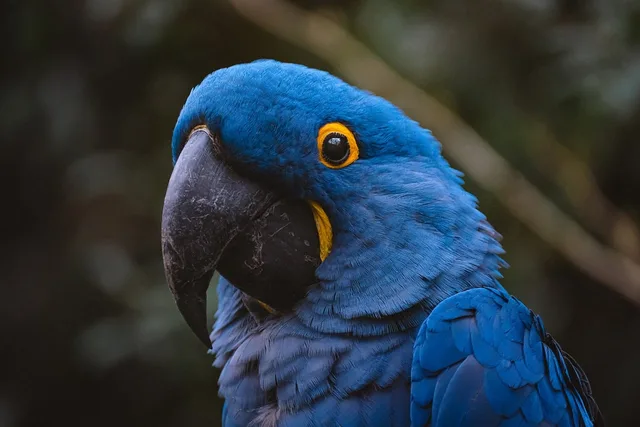
General liability responds to third party injury and property damage. If a client's macaw bites a delivery driver at the door, that claim may fall inside the policy. If the macaw dies in your care, the same policy usually pays nothing.
Coverage vs exotic claim gaps
General liability
- Pays for
- Third party injury
- Exotic gap
- Species excluded
Care, custody, control
- Pays for
- Animals held in care
- Exotic gap
- Often declined
Fidelity bond
- Pays for
- Client theft losses
- Exotic gap
- No animal harm
Homeowners policy
- Pays for
- Personal liability
- Exotic gap
- Business pursuit
The care, custody, and control exclusion removes damage to property you hold, and courts apply it to animals. That gap is why exotic pet liability coverage is often sold as a bailee endorsement.
What it pays
- General liability
- Third party injury and property damage
- Care, custody, control
- Animals held in your care
- Fidelity bond
- Client losses from sitter theft
- Homeowners policy
- Personal liability at home
Where exotic claims fail
- General liability
- Species excluded on the declarations page
- Care, custody, control
- Endorsement only, and often declined for exotics
- Fidelity bond
- No payout when the animal is hurt
- Homeowners policy
- Business pursuit exclusion applies
Strict liability and wild animal law
Most states follow the rule in Restatement (Second) of Torts section 507. A person who keeps a wild animal is liable for harm it causes, even without negligence. Parrots, ferrets, and reptiles sit on a shifting line between wild and domestic.
State and local rules shape exotic pet sitting business requirements, from captive wildlife permits issued by the Florida Fish and Wildlife Conservation Commission to New York City Health Code Article 161, which restricts keeping many reptiles and other wild animals. Ask the owner for the permit number before the first visit.
Federal law usually stops short of the sitter. USDA Animal Welfare Act licensing covers dealers, exhibitors, and breeders of warm-blooded animals; it does not cover a sitter caring for a client's own pet.
A sitter with custody during a trip can be named alongside the owner. Document the species, the enclosure, and the owner's instructions at intake. That record matters more than a signed waiver in most courts.
What bonding and insurance for exotic pet care covers
A fidelity bond is not insurance. It reimburses a client when you or an employee steals money or property. It does not cover veterinary bills, escape, or the value of a rare bird.
Pre-visit exotic intake checklist
- Proof of state or local permit
- Owner's exotic vet contact
- Written heating and humidity instructions
- Signed venom and bite disclosure
- Insurance certificate listing species
Bond amounts are commonly written in the five figure range, and sitter associations sell them to members. Ask whether the bond names your business entity and includes contract staff.
A bond covers theft by a sitter. It does not cover a dead parrot.
Before the first visit, collect:
- Proof of any state or local permit for the species
- The owner's exotic or avian veterinarian contact
- Written heating, humidity, and handling instructions
- A signed disclosure of venom, bite history, or flight risk
- A copy of your certificate of insurance listing the species
Species specific exposure for reptiles and birds
Reptiles carry Salmonella, and a bite from a large constrictor needs medical attention. Birds can transmit psittacosis, and parrots react badly to fumes from overheated nonstick cookware.
Pet sitter insurance for reptiles and birds often comes with a carrier questionnaire about heating, handling, and prior bites. A misstated species is grounds for rescission.
Example: a macaw escape claim
A sitter boards a blue and gold macaw for a week. A worn cage latch fails and the bird flies off. The owner asks for the bird and the avian veterinary exam.
Macaw escape claim outcome
- Sitter boards blue and gold macaw
- Worn cage latch fails
- Bird flies off
- Owner claims bird and vet exam
- General liability denies: care custody control
- Bond denies: no theft occurred
The general liability carrier denies under care, custody, and control. The bond denies because no theft occurred.
Business structure, taxes, and paperwork
An LLC can separate personal assets from business debts, but it does not replace insurance. The IRS explains how entity choice changes filing and self employment tax in its guide to business structures.
If you keep quarantine enclosures at home, Publication 587 sets out how much rent, utilities, and repairs you can claim as a home office.
UVB lamps, misting systems, and secure caging are ordinary and necessary costs under IRS Publication 535.
Setting rates that absorb the risk
Higher premiums, permit checks, and backup power for heat lamps all raise your cost per visit. Sitters who quote dog walking rates for a monitor lizard carry risk they never priced.
Before you send a quote, work coverage, equipment, and travel time into the number yourself.