Guides
Pet sitting equipment: what to buy first
Buy the gear that matches the services you already sell, starting with leashes, crates, pet first-aid kits and food bowls before anything branded.
What to take away
- Buy pet sitting equipment for the services you already sell. A walker needs a 6-foot leash, a slip lead and a treat pouch; a boarder needs a crate, a carrier and an isolation space.
- The first five purchases are a leash, a slip lead, a crate, a carrier and a pet first-aid kit. Common starting names: a Lupine 6-foot leash, a Mendota slip lead, a Midwest iCrate, a Petmate Sky Kennel, an American Red Cross pet first-aid kit.
- Fit matters more than branda crate the dog can stand and turn in, and a harness measured at the girth, not the neck.
- Cleaning supplies and a spare leash set live in the car, not the closet, because the second visit of the day is where gear runs out.
- Price new against used before every purchase, and let the new versus used equipment cost guide settle the question.
This article covers business and equipment decisions for pet care operators. It is not veterinary or legal advice. Care standards, permits and insurance terms vary by province, state and municipality, so confirm current requirements with your veterinarian, your local animal control office and a lawyer licensed where you operate.
Start with the services you already sell
Equipment follows the service menu, not the other way around. Write down every service you currently accept, then list what each one physically requires before you open a supplier catalog.
Service to equipment map
Midday walk
- Restraint
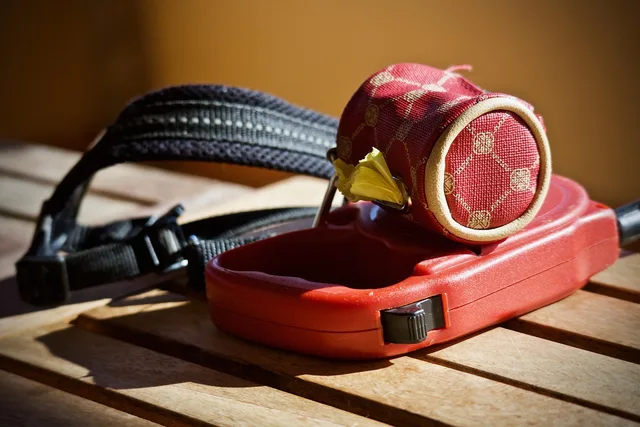
- Leash, slip lead
- Containment
- None
- Feeding
- Treat pouch
- Cleaning
- Waste bags
- Transport
- One-trip carry
Overnight stay
- Restraint
- Crate or pen
- Containment
- Crate or pen
- Feeding
- Food and water bowls
- Cleaning
- Cleaning supplies
- Transport
- One-trip carry
Boarding
- Restraint
- Separate sleeping space
- Containment
- Isolation area
- Feeding
- Food and water bowls
- Cleaning
- Accident-proof flooring
- Transport
- One-trip carry
Pet taxi
- Restraint
- Carrier or harness
- Containment
- Carrier
- Feeding
- None
- Cleaning
- Seat cover
- Transport
- Carrier or harness
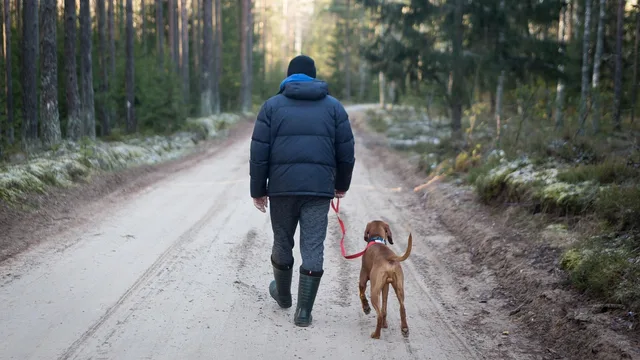
A 30-minute midday walk needs a leash, a slip lead as backup, waste bags and a treat pouch. A 6-foot nylon leash from Lupine or Ruffwear typically costs $15 to $30. A slip lead runs about $12 to $35.
An overnight stay in the client's home needs a crate or pen, food and water bowls, cleaning supplies and a way to carry it all in one trip.
Boarding in your own home adds a second layer: separate sleeping space, an isolation area for a sick or anxious animal, and flooring that survives accidents.
A pet taxi service adds a carrier or a crash-tested harness plus a seat cover. The Center for Pet Safety certifies harnesses including the Sleepypod Clickit Sport and the Kurgo Tru-Fit.
If a service is not on your current price list, do not buy for it yet. Gear bought for work you might sell next year sits in a closet and shows up as a write-off with no revenue against it.
The first twelve items, in buying order
The first twelve items
| Order | Item | What it is for | Sizing note and typical price |
|---|---|---|---|
| 1 | 6-foot nylon or leather leash (Lupine, Ruffwear) | Everyday walking, one per walker | Replace at the first fray; $15 to $30 |
| 2 | Slip lead (Mendota, Weaver) | Backup restraint if a collar or clip fails | One per vehicle; $12 to $35 |
| 3 | Wire crate (Midwest iCrate) | Overnight containment, transport, boarding | Dog stands and turns freely; $40 to $120 by size |
| 4 | Hard-sided carrier (Petmate Sky Kennel) | Cats and small animals, vehicle transport | Door latches, not zips; $40 to $120 |
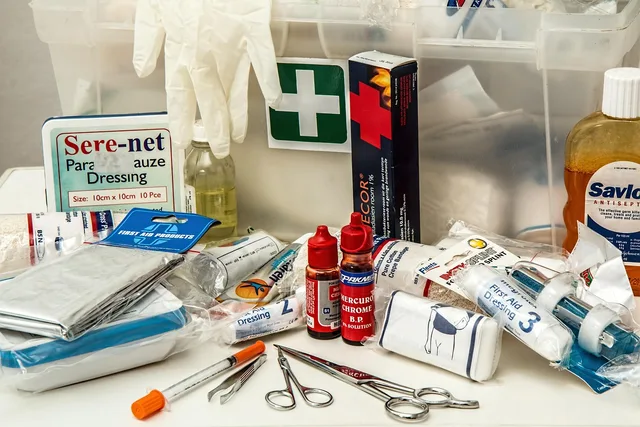
| 5 | Pet first-aid kit (American Red Cross, Adventure Medical Kits) | Cuts, paw injuries, tick removal tools | Restock after every use; $25 to $60 |
| 6 | Harness (Ruffwear Front Range, Kurgo Tru-Fit) | Dogs that pull or slip a collar | Measure at the girth; $30 to $70 |
| 7 | Stainless or ceramic bowls | Food and water at every visit | Two sets per regular client; $5 to $25 each |
| 8 | Waste bags (Earth Rated) and a sealed bin | Walks and yard cleanups | Keep a roll in every bag; about $10 to $15 for 270 bags |
| 9 | Pet-safe cleaner (Nature's Miracle, Rescue) | Accidents, crates, carriers, floors | Follow the label dilution; $10 to $35 |
| 10 | Lockbox or key safe (Master Lock 5400D) | Client key handover | One per client address; $25 to $45 |
| 11 | Treat pouch (Outward Hound, Ruffwear Treat Trader) | Reward training on walks and visits | Clip it to a belt; $10 to $45 |
| 12 | Seat cover or hammock (Kurgo Stowe) | Protects the car on every transport | Measure the rear bench; $25 to $70 |
Buy in that order and stop when the money runs out. Items one through five cover the work almost every sitter sells. The rest make visits faster and cleaner, but a missing harness costs you a sale, not a client.
Fit, sizing and the mistakes that cost money
A crate that is too small is a welfare problem and a complaint waiting to happen. The dog should stand without ducking and turn around without touching the sides.
A crate that is too large lets a puppy soil one corner and sleep in the other, which slows house training and annoys the owner. Midwest sizes its iCrate line by dog length and weight, from 22 inches for a small dog up to 48 inches for a large one.
Harnesses are measured at the widest part of the chest, not the neck. A harness that fits one Labrador will not fit the next one. Carry two sizes in the car and check the fit at the door before you clip a leash on.
Ruffwear publishes a girth range for each size of its Front Range harness, so measure the dog rather than guessing from the breed.
Carriers for cats need a door that latches. A zip-top carrier that opens in a parking lot is a lost cat, and no amount of experience gets it back. Test the latch every time you load it.
Bowls should be stainless steel or ceramic. Plastic scratches, holds odor and is harder to sanitize between clients. Two sets per regular client means you never carry dirty bowls into the next home.
Cleaning, hygiene and animal contact
The CDC's Healthy Pets, Healthy People program explains that diseases can pass between animals and people, and publishes hygiene and cleaning guidance for people who handle animals professionally. Read it before you write your own cleaning routine.
In practice that means separate cleaning cloths per household, hands washed between clients, and a sealed container for soiled items in the vehicle. A crate that goes from one home to the next without cleaning carries whatever the last dog left on it.
Nature's Miracle is an enzymatic cleaner for urine and odor. Rescue is a veterinary disinfectant sold as a concentrate, and both need the label dilution and contact time. A household spray is not a substitute.
Follow the label for contact time and dilution, and check with your veterinarian before using anything stronger around an animal with a health condition. Never treat, medicate or diagnose an animal yourself; that call belongs to a licensed veterinarian.
Vehicles, storage and the daily load-out
Most sitters work out of a car, and the car sets the real limit on how much gear you can carry. A crate sized for a 70-pound dog takes most of a back seat. Plan the load-out before you buy a third crate.
Keep a duplicate set of the small items in the vehicle: leash, slip lead, waste bags, cleaner and first-aid kit. The second visit of the day is where gear runs out, and driving home for a leash costs you the next appointment.
Secure anything heavy. An unsecured crate becomes a projectile in a hard stop. The OSHA safety management guidance describes finding and fixing hazards before an injury or inspection exposes them, and a loose crate in a hatchback is exactly that kind of hazard.
Crash-tested kennels from Gunner and Ruff Land are built for vehicle travel and typically cost $250 to $700. A wire crate that stays in the house runs $40 to $120.
New or used, and what to check before paying
Used crates, carriers and bowls sell for well under new prices and are often fine. Used leashes, harnesses and anything with a load-bearing clip are not, because you cannot see the wear inside the stitching.
Check a used crate for cracked plastic, a bent door and a latch that still springs. Check a used carrier for a door that latches under pressure. Skip anything with a chewed edge, because a dog that chewed out of one crate will try again.
Lupine replaces chewed leashes once under its lifetime guarantee, which is an argument for buying new if you walk puppies.
The Bureau of Labor Statistics animal care and service workers profile notes that animal care work carries physical and injury risks, which is the argument for retiring worn gear rather than repairing it a third time.
Keep the receipt for every purchase. The IRS recordkeeping guidance explains that a business may choose any recordkeeping system that clearly shows income and expenses, and that records should support purchases and assets. In Canada, equipment purchases feed into the GST/HST rules administered by the CRA; ask an accountant how your own purchases and thresholds apply.
A worked example: a two-walker setup
Two walkers, ten regular dogs, walks only, no boarding. The shopping list includes two leashes, two slip leads, two treat pouches, and waste bags. It also includes one first-aid kit per walker. Two spare harnesses go in the car.
Bought new, that kit typically lands between $200 and $400, depending on harness sizes and how much of the rest you buy used. It covers every service the business sells.
Add a crate and a carrier only when the first overnight booking is confirmed and paid, not before.
The arithmetic that decides new versus used is simple. Take the new price, subtract the resale value you could recover, and divide by the months you expect to use the item. Compare that monthly figure against the cost of renting or borrowing the same item. Substitute your own numbers; the current figures are published by your supplier.
Common questions
Do I need a crate if I only walk dogs?
No. A crate earns its place when you board, transport or run overnight stays. Walkers need restraint gear, waste bags and a first-aid kit, and nothing else. A wire crate runs $40 to $120, so leave it on the shelf until a booking needs it.
How much should I spend before the first booking?
Buy the five items that cover the service you have already sold, then stop. For a walker that is typically $100 to $200. Let revenue from confirmed bookings fund everything after that.
Can I use client equipment instead of buying my own?
Sometimes, and it is worth asking. Client leashes and bowls save money, but a client harness that does not fit is a risk you carry, so keep your own spares in the vehicle.
When should I replace gear rather than repair it?
When the repair is the third one, or when the failure would happen while an animal is attached to it. Leashes, clips and harnesses fall into that group; crates and bowls usually do not.