Guides
Equipment brands for a pet sitting business, compared
Fifteen equipment brands a pet sitting business can actually buy from, sorted by the job each one does and what the gear costs to run over a year.
What to take away
- Fifteen equipment brands for a pet sitting business, grouped by job: walking and control, waste and first aid, enrichment, tracking, transport and containment.
- Typical 2026 street pricesRuffwear harness $50 to $70; Kurgo $25 to $45; Mendota lead $25 to $35; Max and Neo collar or lead $10 to $25.
- Earth Rated bags $10 to $15 per 270; Pet First Aid 4U kits $30 to $80.
- GPS trackingFi, Tractive and Whistle run $50 to $200 for hardware plus $60 to $150 per year.
- Sleepypod carriers $180 to $250; MidWest crates $50 to $90; Richell gates $150 to $300; PetSafe items $25 to $300.
- Buy the job you have, not the catalog. One brand per job is enough to start.
This article covers business systems only. It is not veterinary, legal, tax or insurance advice. Confirm licensing, sanitation and safety requirements with your state or provincial authority, and ask a licensed veterinarian about anything involving an animal's health.
What the title actually asks
"Equipment brands for a pet sitting business, compared" means naming brands and showing how they differ on job, typical price and best use. The table below does that. It is not a ranking, and no brand paid for a place.
| Brand | Job | Typical US price, 2026 | Best for | | Ruffwear | Walking and control | $50-$70 harness; $40-$50 boot pair | Trails, winter salt, long distances | | Kurgo | Walking and control | $25-$45 harness | New walkers building a multi-dog kit | | Mendota Products | Walking and control | $25-$35 lead | Walkers who want simple, durable leads | | Max and Neo | Walking and control | $10-$25 collar or lead | High-volume replacement | | Earth Rated | Waste | $10-$15 per 270 bags | Daily walking routes | | Pet First Aid 4U | First aid | $30-$80 kit | Vehicle and home kits | | KONG | Enrichment | $10-$25 toy | Overnight stays | | Chuckit! | Enrichment | $10-$20 launcher | Structured exercise | | Fi | Tracking | $149-$199 hardware; $99-$120 per year | App tracking and off-leash work | | Tractive | Tracking | $50-$80 hardware; $60-$120 per year | Budget GPS tracking | | Whistle | Tracking | $100-$200 hardware; $80-$150 per year | Activity plus location | | Sleepypod | Transport | $180-$250 carrier | Crash-tested car travel | | MidWest Homes for Pets | Transport | $50-$90 crate | Home boarding setups | | Richell | Containment | $150-$300 gate or pen | Client homes | | PetSafe | Mixed | $25-$300 per item | One-off buys across categories |
Prices are typical US street prices as of 2026. Sales and product changes move them.
Walking and control
Ruffwear makes harnesses, leads, booties and packs for dogs that work outdoors. The Front Range harness typically sells for $50 to $70; Grip Trex boot pairs often run $40 to $50. It suits a walker covering trails, winter salt or long distances where a flat collar is not enough.
Kurgo covers the same ground at a lower price: harnesses, leads, car seat covers and travel gear. A Tru-Fit Smart Harness typically costs $25 to $45, and the line is widely stocked in pet retail. A new walker building a kit for several dogs can start here for less than Ruffwear.
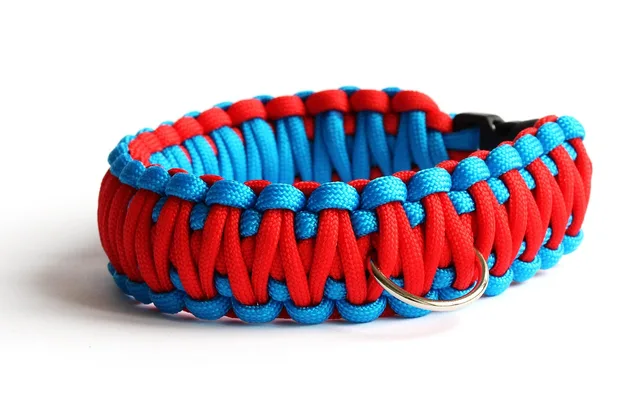
Mendota Products makes braided rope leads and collars in the US. A 6-foot snap leash typically costs $25 to $35, with no electronics to charge or fail. It suits a walker who wants one lead per dog that lasts years rather than a set of gadgets.
Max and Neo sells collars, leads and harnesses direct, often below the brands above, and states a donation to animal rescues with each purchase. Collars and leads typically run $10 to $25. It suits high-volume operations replacing gear often.
Waste and first aid
Earth Rated makes waste bags, dispensers and grooming wipes. A 270-count bag refill typically costs $10 to $15, which puts the cost per bag under 6 cents. It is the default consumable for most walking routes. A 40-walk week can use about 80 bags.
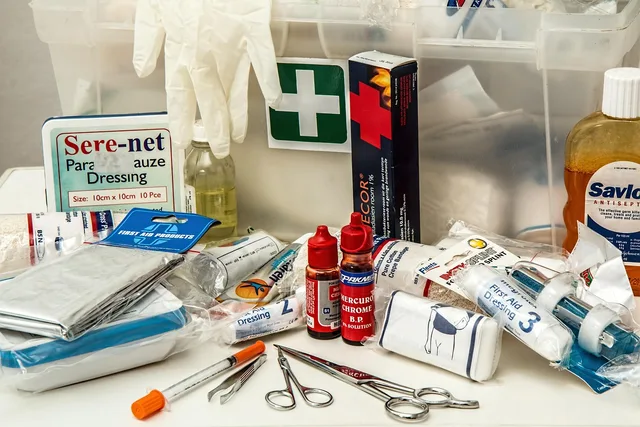
Pet First Aid 4U sells pet first aid kits and supplies. Kits typically run $30 to $80 depending on size. Buy the kit; do not use it to diagnose or treat anything yourself. Bites, injuries and emergencies go to a licensed veterinarian and local animal control.
Enrichment and play
KONG makes rubber chew and treat toys, including the Classic and Extreme lines. A Classic typically costs $10 to $20; an Extreme toy $15 to $25. It is useful for overnight stays where a dog needs something to do.
Chuckit! makes ball launchers and fetch toys. Launchers typically cost $10 to $20, and balls $5 to $10. It suits walkers running structured exercise rather than a loose walk.
Tracking and location
Fi and Tractive both sell GPS collars that require a subscription for live location. Fi hardware typically runs $149 to $199, with plans often $99 to $120 per year per dog. Tractive hardware typically runs $50 to $80, with plans often $60 to $120 per year.
Whistle sells in the same category at a different hardware and plan price. Hardware typically runs $100 to $200, with plans often $80 to $150 per year. Check current plan terms with each vendor before quoting a client.
These are useful for off-leash work and for owners who want to see a walk. They are not a substitute for a leash, a fence or a recall.
Transport and containment
Sleepypod makes crash-tested car carriers, harnesses and beds. Its Mobile Pet Bed and Clickit harnesses are certified by the Center for Pet Safety, and carriers typically cost $180 to $250. It suits businesses that drive dogs regularly and want a tested restraint rather than a loose crate.
MidWest Homes for Pets makes wire crates, exercise pens and gates at budget to mid pricing. A 36-inch iCrate typically costs $50 to $90; exercise pens $40 to $70. It is the standard crate for home boarding setups.
Richell makes indoor pet gates, pens and furniture-style containment. Convertible Elite gates often run $200 to $300, and wooden pens $150 to $250. It suits sitters working inside a client's home where a wire crate looks wrong.
PetSafe covers a wide range: training collars, fountains, doors, feeders and containment. Prices run from about $25 for an Easy Walk harness to $300 for a wireless containment system. Buy individual items, not the whole catalog.
How to compare them yourself
Prices move and product lines change, so check the vendor page before you buy. Run the same four checks on every candidate:
- What job does it do on a real route or stay?
- What does it cost per month once consumables or subscriptions are counted?
- Who is responsible for inspecting it, and how often?
- What is the replacement trigger?
For a full setup list, see the pet sitting equipment and setup guide. If you are weighing new against secondhand, the new versus used cost guide runs the arithmetic on both.
Worked example: costing one walker's kit
Use your own figures in place of the variables.
- Lead and harness
A- Waste bags per month
B- GPS collar hardware
C, plus monthly planD- First aid kit, replaced yearly
E- Crate or carrier, if you drive dogs
F
Monthly kit cost = (A + E + F) / 12 + B + D. Divide by the number of walks you bill in a month to get cost per walk. If that number is more than a small fraction of your walk price, the kit is eating the margin.
A single-walker starter kit with a harness, lead, waste bags, GPS collar, first aid kit and crate typically runs $400 to $750 in year one. Later years typically run $150 to $300 in bags, subscriptions and replacements, depending on walk volume.
Proof to check before spending
The CDC Healthy Pets, Healthy People page explains how diseases pass between animals and people and lists hygiene and cleaning resources. It is the reference for what your cleaning routine has to cover.
OSHA safety management guidance describes finding and fixing hazards before an injury or inspection does it for you. That is the frame for vehicle, heat and handling risks on a route.
The BLS animal care and service workers page describes the physical demands and injury risk in animal-care work. Read it before you assume a new hire can handle a full route.
Common questions
Do I need all fifteen brands?
No. Pick one brand per job: a harness, a waste bag, a toy, a tracker, a crate and a first aid kit. Add more only when a specific route or client needs it.
Are GPS collars worth the subscription?
Only if you work off-leash or clients ask to see walks. Hardware is a one-time cost; the plan recurs every month, so model it as a monthly line before you commit.
How often should equipment be replaced?
Set a replacement trigger per item rather than a calendar date. A frayed lead or a cracked crate is a trigger. Check gear before each use and log anything pulled from service.
Where do I confirm what is required locally?
Your state or provincial licensing and sanitation authority, and your municipality for permits. Requirements vary, so confirm the current rule rather than assuming a national standard.