Guides
How to price pet sitting for exotic pets without losing money
Pet sitting for exotic pets costs owners $45 to $150 a night in most US metros, and sitters absorb setup costs that standard dog rates never cover.
What to take away
- Exotic pet sitting runs roughly $45 to $150 per night in US metros, against $25 to $75 for a standard dog visit.
- The gap is setup, not laborheat, humidity, live food and species paperwork add cost before you touch an animal.
- State and city rules decide whether you can legally take the booking at all, and general liability policies commonly exclude reptiles and birds.
- Quote a base rate plus named surcharges, never a single blended number.
What the range covers
A sitter who handles parrots, bearded dragons, snakes or rabbits is not selling time in the way a dog walker is. The visit may last twenty minutes, but the preparation starts days earlier and the equipment stays in your home between jobs.
Rates cluster by species complexity rather than by visit length. A rabbit or guinea pig booking behaves like a cat booking. A large constrictor, a macaw or a saltwater reef tank behaves like nothing else in the trade.
Line by line
The table below shows illustrative ranges drawn from posted US sitter pricing and supply costs. Treat the figures as a planning band, not a market survey.
Exotic pet sitting cost lines
- Base small mammal/bird$45–$80
- Base reptile/large parrot$65–$150
- Setup and breakdown$20–$60
- Live food handling$10–$35
- Heat/UVB/humidity$8–$25/week
- Emergency vet transport$50–$200
- Permit/records$0–$40
| Line item | Low | High |
|---|---|---|
| Base nightly rate, small mammal or bird | $45 | $80 |
| Base nightly rate, reptile or large parrot | $65 | $150 |
| Setup and breakdown, per booking | $20 | $60 |
| Live food handling (crickets, rodents) | $10 | $35 |
| Heat, UVB and humidity electricity, per week | $8 | $25 |
| Emergency vet transport, per incident | $50 | $200 |
| Species permit or records handling, per booking | $0 | $40 |
Three costs drive that number most.
Climate control: a reptile room holding 90 degrees in a Michigan January costs real money. The sitter pays whether or not a booking arrives.
Live food: crickets and frozen rodents spoil, so stocking for one client carries waste. Insurance: carriers price exotic exposure separately, and some decline it outright.
What moves the number
Species is the largest single lever. Bird sitting rates for a single budgie sit near the bottom of the band. The same sitter quoting a cockatoo with a plucking history moves to the top, because handling risk and time both rise.
Geography matters less than you would expect. Dog walking rates by US city show wide spreads, but exotic demand is thin everywhere, so sitters in smaller markets often charge metro prices simply because no alternative exists.
Volume changes the math. A sitter with four reptile clients can amortize a rack, a thermostat and a backup generator across all of them. A sitter with one client cannot, and should price that booking as a one-off.
A nightly rate that ignores your fixed equipment cost is a discount you chose to give, not a price you set.
What quotes leave out
The largest omission is time between visits. A snake may need feeding once a week, but the sitter still checks heat and water daily. Owners rarely see those trips on an invoice.
Liability exclusions are the second omission. Many US homeowners and renters policies exclude coverage for animals kept for business, and a sitter's general liability policy often carves out exotic species. Ask the carrier in writing before quoting.
Regulation is the third. Several states and cities restrict private possession of certain reptiles, primates and venomous species, and a sitter who boards an animal illegally inherits the exposure. Check your state wildlife agency and your city animal control ordinance before you accept the booking.
Tax treatment is the fourth. Live food, heat bulbs, mileage to a client's home and a dedicated animal room are ordinary and necessary business costs under IRS guidance on deducting business expenses. Mileage between client homes is deductible under IRS Tax Topic 509, which is why a sitter driving forty minutes each way should price the drive into the quote.
Example
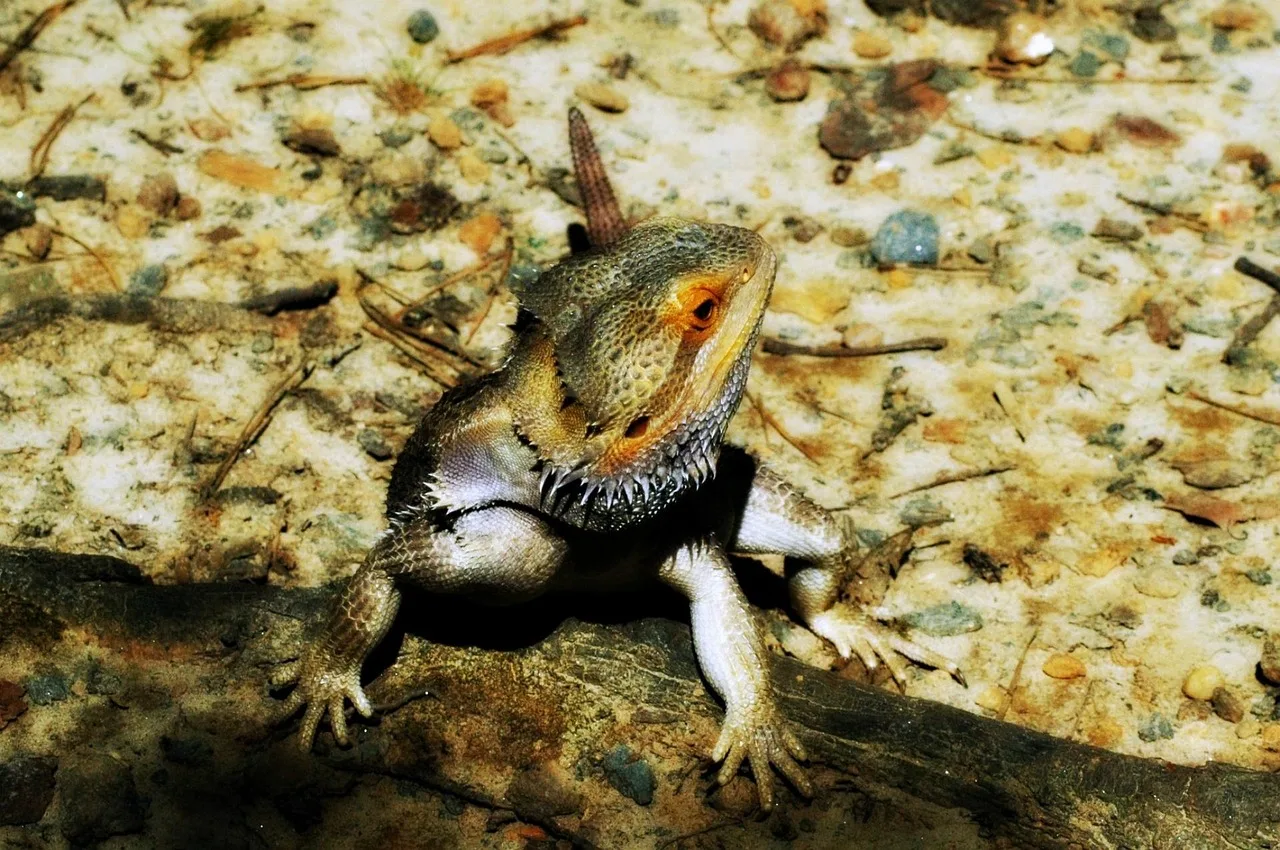
A sitter in Phoenix quotes a two-week bearded dragon booking. Base rate is $60 a night, or $840. Setup and breakdown adds $40, live food adds $25, and the electricity surcharge adds $15. The invoice lands at $920.
Bearded dragon booking math
- $920final invoice
- $810clears before tax
- $630clears at $45 flat rate
- $110food and power cost
Her actual cost for the period is roughly $110 in food and power, plus six hours of daily checks she did not itemize. At $920 she clears about $810 before tax. At a $45 flat rate she would have cleared $630 for the same work, which is why the line items matter more than the headline.
Where people overspend
New sitters buy equipment before they have clients. A full bioactive enclosure, a misting system and a spare thermostat can run $600 or more, and none of it earns anything until a booking exists.
Owners overspend on the opposite side. Choosing the cheapest exotic sitter often means paying twice, once for the visit and again for a vet trip when a heat lamp failed. Ask what backup power and monitoring the sitter uses.
Both sides overspend on insurance they did not read. Confirm in writing whether the policy covers the species in question, and keep that confirmation with the client file.
For the rest of your price sheet, pet sitting tax deductions for US owners covers write-offs that follow from these bookings.
Sitters hiring help for exotic jobs should read the pet sitting onboarding checklist for new staff before a new hire handles a venomous or fragile animal.
If you are weighing a boarding model, overnight pet sitting vs boarding compares what each earns per night.