Guides
Cross-border pet sitting between Canada and the US, what changes at the border
Cross-border pet sitting brings CDC dog entry rules, CBSA device searches, insurance gaps, tax reporting and Canadian pet care licensing into one booking.
What to take away
- Most dogs entering the US need a readable microchip and a completed CDC Dog Import Form, free online, printed and carried with the animal.
- A Canadian liability policy written for local visits may stop at the border. Get territorial limits in writing from your broker before you quote the job.
- Cross-border income is business income in Canada. Convert each US payment at a dated rate.
- CBSA officers can examine personal digital devices. Client addresses, alarm codes and vet files are safer in a Canadian cloud account than on the phone you carry.
- Price the drive, the wait and the paperwork as separate invoice lines. A cross-border trip billed as one flat fee hides the hours nobody pays for.
What makes a snowbird booking different
Snowbird clients leave Ontario, BC, Quebec, Alberta and the prairies.
Local visit vs snowbird booking
Standard local visit
- Duration
- 30-60 minutes
- Access
- Key or lockbox
- Pet records
- On file at home
- Route
- Local streets
- Contacts
- Owner reachable
Snowbird client
- Duration
- Weeks or months
- Access
- Alarm code, mail hold
- Pet records
- Travels with the dog
- Route
- Cross-border crossing
- Contacts
- Neighbour or relative
They head to Arizona, Florida, Texas and California. This happens from late autumn to early spring. They book weeks at a time, then add a mid-winter house check or a drive to the airport with the dog.
That add-on changes the job. A local daily walk becomes cross-border work the moment the client wants the dog delivered to a US address or collected on the way home.
Paperwork belongs with the animal, not in a kitchen drawer. Ask for the rabies certificate, the microchip number and any import forms before the client leaves Canada.
Route matters more than province. A Nova Scotia sitter may drive through Maine; a BC sitter may see dogs flown from Vancouver to Palm Springs. The crossing changes the forms, not the principle.
A snowbird client also expects you to know the house: alarm codes, mail holds, and a neighbour or relative who can authorize a repair. Keep those in the same file as the pet instructions.
Before the season starts, review your pet sitting operations so keys, handovers and emergency contacts work the same way on every snowbird booking.
Snowbird booking differences
Standard local visit
- Duration
- 30 to 60 minutes
- Access
- Key or lockbox
- Pet records
- Vaccination proof on file
- Travel
- None
- Billing
- Per visit
- Insurance
- Canadian liability cover
Snowbird client
- Duration
- Weeks or months
- Access
- Alarm code, mail hold, property contact
- Pet records
- Rabies certificate, microchip number, import forms
- Travel
- Possible US delivery or collection
- Billing
- Retainer, deposit or monthly invoice
- Insurance
- Confirm US territorial limits
US entry rules for dogs
The CDC sets the rules for dogs entering the United States. Most dogs now need a microchip and a completed CDC Dog Import Form, and rabies vaccination proof applies to dogs arriving from countries the CDC classifies as high risk for dog rabies.
US dog entry paperwork
- Microchip implanted and number recorded
- CDC Dog Import Form completed online
- Two printed copies travel with the dog
- Rabies certificate for high-risk origin dogs
- Airline crate and health certificate if flying
- CFIA re-entry rules for the return trip
Canada is not on that high-risk list, so the rabies certificate step is simpler for Canadian dogs. The microchip and the form still apply.
Read the CDC dog importation page before you promise a client you will drive their dog across. It lists the forms, the age rules for puppies and the service dog exceptions.
The form is free and completed online. Print two copies and keep one with the dog. A phone with a dead battery is not a substitute at the booth.
If the dog flies down later, the same CDC rules apply at the airport, and the airline adds crate standards and health certificate rules on top. Call the airline before the travel date.
A Canadian rabies tag is not enough on its own. Scan the chip at your first visit and record the number so it matches the paperwork.
For the return trip, the Canadian Food Inspection Agency sets the import rules. The CFIA page on bringing animals to Canada explains what a dog needs at re-entry, including rabies vaccination proof for dogs over three months old.
Returning to Canada
The CFIA sets the re-entry rules, and the dog's age decides the paperwork. A dog three months or older needs proof of a current rabies vaccination. A puppy under three months does not need that proof.
The vaccination certificate should identify the dog by microchip number, give the vaccination date and the product used, and carry a veterinarian's signature. Carry the original with the dog, and check the date before you leave the US.
Worked example: driving a client's labrador to Buffalo
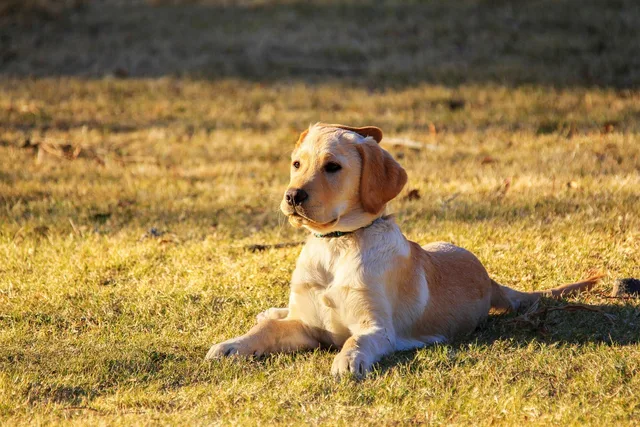
A Toronto sitter agrees to drive a client's labrador to the client's daughter in Buffalo while the client winters in Florida.
Driving a labrador to Buffalo
- Confirm a readable microchip and a current rabies certificate, and photograph both.
- Complete the CDC Dog Import Form online and print two copies.
- Carry the client's written authorization, your own ID and the destination address.
- Secure the dog in a crate or a crash-tested harness, and stop only where dogs are allowed.
- Log the crossing, the mileage and the tolls on the invoice as separate lines.
The invoice notes the date, the crossing and the mileage. That record is what supports the income you report later.
Insurance when the job crosses the line
Most Canadian commercial liability policies for sitters are written for work performed in Canada. A US trip can fall outside the territorial limit, so read the wording before you accept the job.
Care, custody and control cover is the part that responds when a pet is injured in your care. Some policies exclude US travel outright; others require a rider. Ask the broker in writing and keep the reply in the client file.
Driving a client's pet is a separate exposure. A personal auto policy may not respond to a commercial trip, and a business auto endorsement may be needed. The same question applies to any paid pet transport.
Workers' compensation is provincial. WorkSafeBC and the other boards cover injuries in the province, not on a US highway, so a sitter hurt in Buffalo may find the claim complicated.
Professional indemnity is separate again. A client who claims you mishandled import paperwork may land on your professional cover rather than your liability policy. Compare limits and exclusions in our guide to pet sitting business insurance.
What to ask your broker
Questions for your broker
- Does the policy cover work done in the US?
- Is there a cap on days or trips?
- Does care, custody and control apply across the border?
- Are pets transported in a vehicle covered?
- Is the sitter covered if injured outside Canada?
- Will my policy respond to work performed in the United States, and what territorial limits appear in the wording?
- Can you add a US rider for short trips, and what would it cost?
- Does care, custody and control cover apply to a pet injured while I am in the US?
- Does my auto policy cover a paid trip to deliver a client's pet, or do I need commercial auto coverage?
- If I am hurt in the US, which workers' compensation board responds, and does professional indemnity cover a claim that I mishandled import paperwork?
Working in a US state
A one-off trip for an existing Canadian client rarely needs a US business licence. A standing weekly or monthly booking may need one, because local rules cover anyone offering pet care to residents.
Licensing in the US happens at state, county and city level, and the rules differ by place. Ask the licensing office where the client lives before you accept a recurring booking.
Reporting cross-border income in Canada
A sole proprietor in Canada reports income from a US client as business income, in Canadian dollars, converted at a reasonable exchange rate. The CRA expects the date, the amount and the rate used.
Cross-border income records
- Report US income in Canadian dollars
- Note date, amount and exchange rate used
- File W-8BEN if the US client asks
- Confirm GST/HST treatment with an accountant
- One invoice number per cross-border job
- Keep mileage, tolls, parking and supply receipts
The Bank of Canada publishes a daily exchange rate, and the CRA publishes annual average rates for foreign currencies. Print the source and the date on the invoice. The CRA's T4002 guide, Business, Professional, Commission, Farming and Fishing Income, explains how to report the total.
A US client may ask for a W-8BEN. That form tells the payer you are not a US person. It does not remove your Canadian tax obligation. The W-8BEN and a state sales tax registration do not change what you report in Canada; a US filing duty turns on whether you carry on a trade or business there.
GST/HST applies to most pet sitting supplied in Canada. A drive that starts in Ontario and ends in New York is not a simple supply, so confirm the treatment for your situation with an accountant.
Keep each cross-border job on its own invoice number with the currency, the exchange rate and the date payment arrived. Our guide to pet sitting licensing requirements covers which categories apply to your services.
The CRA explains how to report business income and expenses for sole proprietors. Use the business number you already have.
CBSA rules for goods you carry
The Canada Border Services Agency enforces the rules at the border. Its main page links to the traveller sections on declarations, personal exemptions and restricted goods.
CBSA trip log entries
- Date and crossing point used
- Purpose of the trip
- Client goods and pet supplies carried
- Receipts for anything bought abroad
- Cash or instruments of CAD 10,000 or more
Declare a client's pet supplies, medication or specialty food. Some animal products are restricted, and raw food or unlabelled meat products are the ones that cause trouble.
Personal exemptions cover goods you buy abroad, not goods you carry for a client. A client's purchase is not your exemption, so declare it and be ready to explain it.
Cash and monetary instruments of CAD 10,000 or more must be reported. A retainer paid in cash for a cross-border trip can cross that line.
Keep a trip log: date, crossing, purpose and goods carried. It answers a border question in one minute and speeds up the next trip.
Client data and your devices
Your phone holds addresses, alarm codes, vet records and payment details. A border officer can ask to examine the device.
The CBSA page on examining personal digital devices at the Canadian border explains the officer's authority and what happens during an examination. Read it before you travel with a work phone.
PIPEDA governs how you collect and store personal information in Canada. Carrying unencrypted client files across a border does not remove those obligations, and an examined or seized device may mean telling the client.
Travel light instead. Keep the working copy in a Canadian cloud account with two-factor authentication and access it when you are back in Canada.
If you must carry records, encrypt the device and the files, use a strong passcode rather than a four-digit PIN, and turn off lock-screen notifications that show client names.
Have a written plan for a seized device: which client records are on it, how to reach those clients, how to restore access. That procedure belongs in your pet sitting compliance checklist.
Data that should not cross the border
Data that should not cross
- Full client addresses and alarm codes
- Vet records with personal details attached
- Payment card images or bank details
- Passwords written in a notes app
- Unencrypted client files on the device
- Alarm codes and lockbox combinations
- Vet files and vaccination history
- Client addresses and travel dates
- Payment details and card numbers
- Unencrypted backups on a laptop
US visitors who hire a Canadian sitter
US visitors hire Canadian sitters for cottages, ski trips and city stays. The work happens in Canada, so Canadian rules apply, including your provincial consumer protection obligations and municipal licensing.
Terms for US visitor clients
- What is included and what is not
- Cancellation rules in plain language
- Pet emergency handling and vet authorization
- Exchange policy printed on the invoice
- GST/HST treatment for the supply
- Municipal licensing where you operate
Ontario's Consumer Protection Act, 2002 governs the contract you offer. Write the terms plainly: what is included, what is not, cancellation rules, and how you handle a pet emergency. A US client may not know local practice.
Toronto licenses pet services under Municipal Code Chapter 349, and other municipalities have their own bylaws. Check the rules where you operate, not where the client lives.
A US visitor may pay in US dollars. Decide your exchange policy in advance and print it on the invoice. If you are GST/HST registered, confirm the tax treatment for the supply.
US clients often ask about vaccination records and emergency vet authorization, so have a form ready. If the pet needs care beyond your scope, refer to a local clinic and keep a list for every area you serve. That list is part of good pet sitting expansion planning when you add neighbourhoods.
Common questions
Do I need a US business licence to sit for a client in the US?
Generally no for a short trip on behalf of an existing Canadian client. If you build a regular US presence, state and local rules may apply. Get advice before you grow a US client base.
Can I take a client's dog across the border without the owner?
Yes, with written authorization and the dog's records. Carry the CDC Dog Import Form, the rabies certificate and the microchip number, and expect questions about ownership at the booth.
Is cross-border pet sitting income tax free in Canada?
No. It is business income and must be reported. Convert US payments to Canadian dollars at a dated rate and keep the records that support the conversion.
What happens if CBSA examines my phone?
The officer may examine the device under the rules on the CBSA page, and you may be asked for passwords. Client data on the device could be seen, so carry as little of it as you can.