Guides
Which permits does a Toronto dog walker need under Chapter 349?
Toronto dog walkers need a Chapter 349 permit, a six dog cap per walk, two metre leashes, and a written plan for complaints, lost pets, and injuries.
What to take away
- Toronto Municipal Code Chapter 349 sets the dog cap, leash length and commercial handling rules that Municipal Licensing and Standards enforces.
- One handler may walk a maximum of six dogs at a time, all leashed at no more than two metres in any public place.
- The walker licence comes from Municipal Licensing and Standards through the city's Business Licence Application, filed online or at the counter at Toronto City Hall, 100 Queen Street West.
- Fees sit in Chapter 441, not Chapter 349, so check the current schedule before you budget the year.
- Every client dog needs a valid Toronto pet licence, and your own cover needs care, custody and control, not just general liability.
What Chapter 349 actually covers
Chapter 349 is the animal chapter of Toronto's municipal code. It sets how many animals one person may keep or handle, when a licence is required, and what enforcement officers can do when rules are broken.
The line that matters is between keeping animals and handling them for money. Two dogs in a house is a household. Eight dogs collected from eight condos before 8 a.m. is a business, and the city licenses it as one.
The chapter also gives officers the power to penalize an unlicensed walker or one over the dog limit. Keep the paperwork current and an officer rarely enters your day.
Fees are not in Chapter 349. Toronto sets them in Chapter 441, the municipal fees bylaw. The current amount for a dog walking licence is listed in the fee schedule published with the Business Licence Application, and council revises the figure when it amends Chapter 441. Pull that schedule before you price a year of walks.
The city's Pets in the City rules and resources page carries the leash, off-leash area and licensing rules that sit alongside the chapter. Read it before you print cards.
Our guide to pet sitting licensing requirements covers sitting, boarding and daycare if your work spreads past walking.
Dog limits and leash rules on a Toronto route
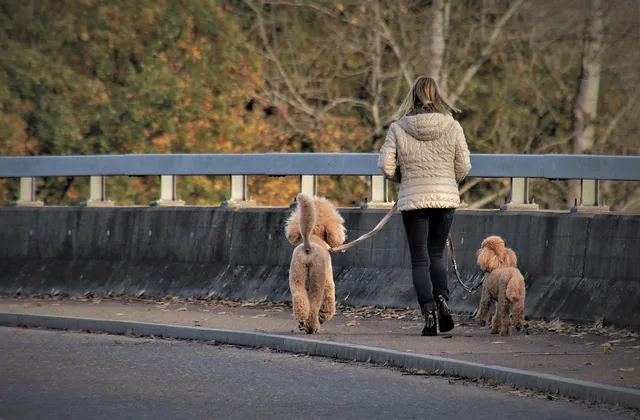
Toronto caps a lone handler at six dogs on a single walk. Officers apply that number on sidewalks, in parks and at condo entrances, not just on the paperwork.
Toronto Dog Rules: Household vs Walker
Household
- Dog limit
- 3 dogs
- Leash length
- 2 metres
- Licensing
- Owner licence
- Off-leash
- Designated zones
- Waste pickup
- Required
Commercial Walker
- Dog limit
- 6 dogs per walk
- Leash length
- 2 metres
- Licensing
- Walker permit + dog licences
- Off-leash
- Designated zones only
- Waste pickup
- Required every time
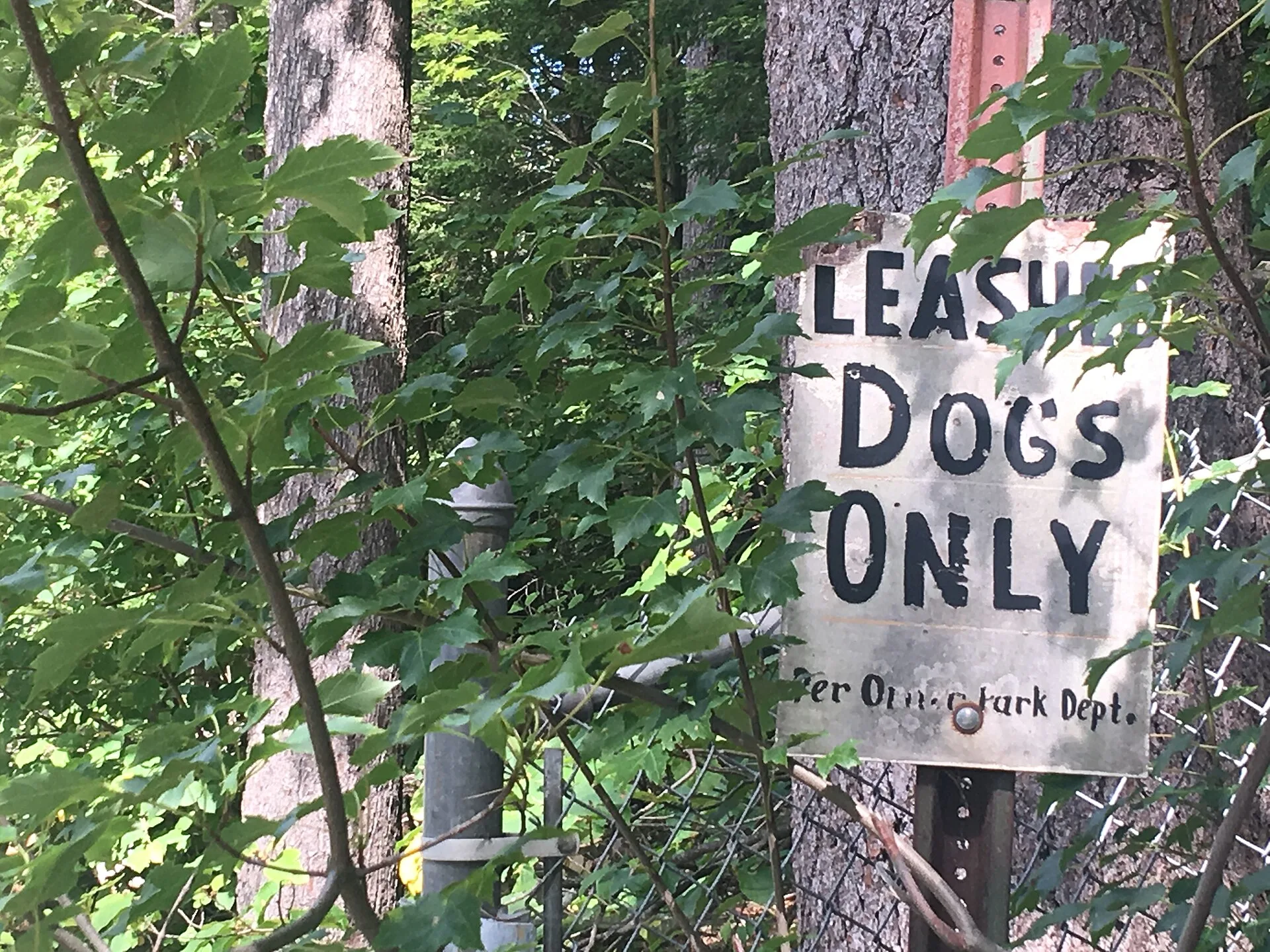
Leashes must be no longer than two metres in any public place. A retractable lead stretched across a path does not comply.
Dog limits and leash rules
| Rule area | What it means on a route |
|---|---|
| Dogs per walker | Maximum of six dogs per person at one time |
| Leash length | No longer than two metres in any public place |
| Off-leash areas | Only inside designated fenced zones, never en route |
| Licensing | Each client dog needs a valid Toronto licence |
| Waste | Pick up after every dog, every time |
Leash rules break by accident, not by intent. A dog that recalls perfectly inside a fenced park is a different animal on the sidewalk outside it. The leash goes on before you leave the building and stays on until you are back inside.
Condo districts make this harder. One midday route can cross three lobbies, two laneways and a busy intersection, and each transition is a chance for a clip to fail or a gate to swing.
The six-dog cap shapes scheduling. If eight clients want the same midday slot, you need a second handler or a second round, and the route has to be priced for whichever you choose.
Households in Toronto may keep three dogs. That is a separate rule from the commercial walk cap, and clients will confuse the two.
Write the route plan down: dogs per walk, a leash check at each stop, a backup handler for busy days. That document also answers the client who asks how you stay compliant.
Applying for the permit and what the application asks
Applications go to Municipal Licensing and Standards. File the city's Business Licence Application online through the Toronto business licensing service, or in person at the licensing counter at Toronto City Hall, 100 Queen Street West.
Fees come from the Chapter 441 schedule and are paid on submission. The amount listed there is the one that applies to the class you file under.
- File under the pet services class, the category the city's business licence list uses for dog walking, sitting and daycare. Boarding needs the kennel class, and retail needs the pet shop licence.
- Gather government ID, proof of business registration, and commercial liability insurance showing care, custody and control cover.
- Describe your routes, typical dog numbers and vehicle use honestly on the form.
- Pay the fee and keep the receipt with your licence records.
- Carry proof of licensing as required, and renew before the expiry date rather than after.
A checklist keeps renewal from sneaking up:
Permit Application and Renewal Checklist
- Business registration and CRA number current
- Commercial liability insurance with care, custody and control
- Every client dog holds a valid Toronto pet licence
- Route plan showing dogs per walk within six-dog limit
- Vehicle insurance and parking arrangements documented
- Renewal date logged with reminder eight weeks ahead
Incomplete files are usually returned rather than refused. A complete file with ID, insurance and route detail attached is typically processed in two to four weeks. Counter staff can confirm the current queue when you submit, so you can give clients a realistic start date.
Licences run on an annual cycle. A lapse in the middle of your busiest season costs more than the renewal fee.
Our article on pet sitting license requirements covers the wider set of approvals, municipal and provincial.
Pet licensing and BluePaw Partners
Every dog you walk should carry a current Toronto licence. The city's pet licensing requirements apply to the owner, but a walker who takes on unlicensed dogs inherits the awkward conversation when an officer asks.
Make licensing a condition of service. At signup, take the licence number and the rabies vaccination record and file both with the client's details.
BluePaw Partners is the city's programme for pet businesses that want to be listed and recognized. Details are on the BluePaw Partners programme page.
Joining gives you a municipal listing and a signal to clients that you meet the city's expectations. In a condo market, that signal is worth the paperwork.
Condo boards often want proof of licensing and insurance before granting building access. Keep digital copies on your phone so a concierge question does not send you home.
Keep licences, insurance and vaccination dates in one file, and add the walk log to it each month. A pet sitting compliance checklist does that better than three apps and a shoebox.
Complaints, enforcement and your walk log
Animal enforcement officers investigate bites, aggressive animals, excessive barking and licensing breaches. Complaints in Toronto go to 311 Toronto, and Toronto Animal Services responds. The animal enforcement and assistance contacts page lists what they handle.
For a walker, complaints usually arrive secondhand. A neighbour calls about a dog in your group, or a concierge reports you for crossing a lobby with too many animals.
Penalties for unlicensed walking or for going over the six-dog cap follow the same route. A first look often ends in a warning, then a ticket, then provincial offences court on a repeat.
Set fine amounts sit in the city's schedule for Chapter 349 offences. Typical set fines for municipal animal bylaw offences in Ontario run from about $100 to $500 per count. A court conviction can carry more, and the number of counts can rise with the number of dogs over the cap.
Keep a written log of each walk: time, dogs, route, incidents. If a complaint lands three weeks later, those notes are the difference between a warning and a penalty.
If a penalty looks wrong, ask about the review route in writing and attach the walk log. Records change outcomes more often than frustration does.
Tell the client promptly when a complaint involves their dog. Owners who hear it from you first are easier to deal with than owners who hear it from the city.
A pet sitting local seo effort works better when listings reflect a business that answers complaints quickly.
Lost and found pets: the first hour
Dogs get loose. A clip fails, a gate is left open, a thunderstorm spooks a nervous animal. What you do in the first hour decides the outcome.
The city runs a lost and found pets service where owners and finders report and search. Know that page before you need it, not while you stand on a sidewalk at 2 p.m.
First Hour After a Dog Goes Missing
- Secure the dogs still in your control
- Call the owner with location, time and direction
- File a lost pet report with the city
- Check nearby vet clinics and the municipal shelter
- Follow up with the owner in writing same day
Microchip details matter most in that first hour. Confirm the client's chip is registered to a current phone number before you ever walk the dog.
Prevention is cheaper than recovery. Photograph each dog at pickup, check the collar and tag, and note any gate that does not latch. A pet sitting sop checklist turns those habits into a routine.
Toronto's climate adds risk. Icy sidewalks in February and humid afternoons in July change how a walk should run, so adjust routes and group sizes by season and carry water in summer.
Common questions
How many dogs can I walk at once in Toronto?
Chapter 349 caps a single handler at six dogs on one walk. Build the midday schedule around that number rather than around demand, and add a second handler when the requests exceed it.
Does the leash rule mean a fixed length?
Yes. Dogs must be leashed at no more than two metres in any public place, which rules out most retractable leads on a busy sidewalk.
Do the dogs I walk need their own licences?
Yes. Each dog should hold a valid Toronto pet licence, and taking the number at signup protects both you and the owner. Unlicensed dogs become your problem the moment an officer asks.
Where do I apply for the walker licence?
Municipal Licensing and Standards handles it. File the Business Licence Application online or at Toronto City Hall, 100 Queen Street West, and check the Chapter 441 fee schedule before you submit.