Guides
How to grow a pet sitting business customer base in 2027
Pet sitting customers come from named channels you can work in 2027, from vet referrals to neighborhood apps to repeat visits, each with a cost and a check.
What to take away
- Six channels bring pet sitting work in 2027vet and groomer referrals, Google Business Profile and Nextdoor, visible walks, repeat reminders, partner businesses, and paid lead sites such as Rover and Thumbtack. Work the free ones first.
- A referral from a clinic tech at Banfield or VCA, or from a neighbor, converts far better than a cold ad. Trust already moved with the name.
- Track cost per booking by channel. Rover keeps 20% of each booking and Wag! takes 40% of the walk fee, so a channel that costs more per booking than the visit earns is a hobby.
- Ask for a review after a defined completed service, never only from owners you expect to praise you. The FTC's 2024 rule bans fake and bought reviews.
- One person owns the channel list, the follow-up, and the monthly numbers.
This is general business information for pet care operators, not veterinary, legal, tax or insurance advice. Care standards, licensing and contracts vary by province, state and municipality. Confirm requirements with your local authority and a licensed professional.
Six channels that book work in 2027, and what each one costs
Most pet sitting businesses grow on four or five channels, not one. Each has a cost, a speed, and a failure mode, and each row below names providers you can contact this week. Pick two to work properly this quarter.
Six channels that book work
Named providers and tools
- Veterinary and neighbor referrals
- Banfield Pet Hospital and VCA clinics; Petco and PetSmart grooming salons
- Local search
- Google Business Profile; Google Local Services Ads where your market has them
- Visible work and signage
- Branded lead, van magnet, uniform on the same street each day
- Repeat and retention offers
- Time To Pet, PetPocketbook, Precise Petcare
- Partner businesses
- Groomers, Petco, PetSmart and Pet Supplies Plus stores, apartment concierges
- Paid lead sites and ads
- Rover, Wag!, Thumbtack, Bark.com, Google Ads
Best for
- Veterinary and neighbor referrals
- New clients with no search habit
- Local search
- Owners searching "dog walker near me"
- Visible work and signage
- Dense neighborhoods
- Repeat and retention offers
- Existing clients
- Partner businesses
- Steady mid-week walks
- Paid lead sites and ads
- Filling a new area fast
Cost to run
- Veterinary and neighbor referrals
- A thank-you card or a free visit, typically $0 to $5
- Local search
- Profile is free; Local Services Ads charge per lead, typically $8 to $25
- Visible work and signage
- One-time gear cost, typically $50 to $300
- Repeat and retention offers
- Software typically $25 to $60 a month
- Partner businesses
- A referral fee, typically $10 to $25 per new client, or a swap
- Paid lead sites and ads
- Rover keeps 20% of a booking and Wag! 40%; Thumbtack leads typically $8 to $50
Weak point
- Veterinary and neighbor referrals
- Dies if nobody asks
- Local search
- Competitors bid the same terms
- Visible work and signage
- One bad job is public
- Repeat and retention offers
- Needs a client list you maintain
- Partner businesses
- Partner expects volume
- Paid lead sites and ads
- Easy to buy traffic into a broken booking process
Referrals from a clinic or a neighbor carry trust an ad cannot buy. Ask the day the owner collects a settled dog. Hand the clinic a stack of cards that same week, and leave a note in the file so the next reminder mentions who sent them.
Six steps to start this week
- Claim and complete your Google Business Profilereal name, service area, phone, hours. Add categories, a booking link, photos, and accessibility notes. Google's own guidance on local ranking lists relevance, distance and prominence as the main factors.
- Ask three nearby businesses for a referral swapa Banfield or VCA clinic, a Petco or PetSmart grooming salon, an independent pet supply shop. Leave cards, offer the same in return, and set the fee if a flat swap feels thin.
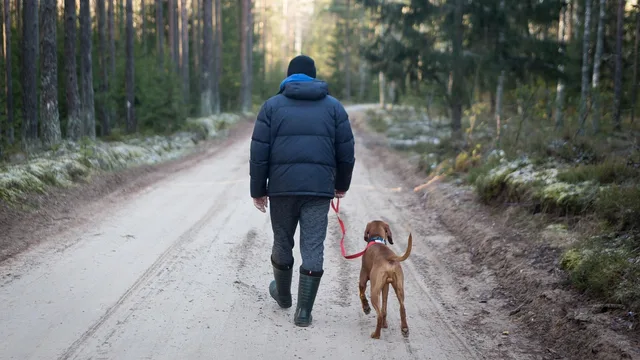
- Walk the same route at the same time for two weeks with a branded lead and a clean setup. Neighbors notice repetition. Post the route and your service area to your Nextdoor business page and one neighborhood Facebook group.
- Set a reminder 30 days before each client's usual travel period in Time To Pet or your calendar, and offer to hold their slot.
- Log every inquiry with its source, then compare bookings per channel at month end. One line per inquiry is enough.
- List on one paid site to fill gapsRover for dogs and cats, Thumbtack for one-off jobs. Expect the site to keep 20% or more of the fee, and price your own rate above that cut.
Ask for reviews without gaming them
Ask every client after a completed service, not just the ones who seem pleased. Make the ask plain: a link to your Google Business Profile or Yelp page, one sentence, no incentive.
Review Request Rules
- Ask every client after a completed service
- Make the ask plaina link, one sentence, no incentive
- Send requests only to genuine customers
- Avoid incentives or selective asking
- Reply to every review without naming pet, address or health details
The FTC's guide for marketers on online reviews says requests should go to genuine customers and that incentives or selective asking can create a misleading picture. The FTC's rule on fake reviews took effect in October 2024 and carries penalties for each violation.
Reply to every review without naming the pet, the address or the health details. A calm reply to a bad review persuades more owners than ten five-star ratings.
The numbers to watch monthly
Track four figures per channel: inquiries, bookings, revenue, and cost to acquire. Divide cost by bookings to get cost per booking. Compare that with the margin on a 30-minute walk or an overnight stay.
Four Monthly Figures per Channel
- Inquiriesnumber of inquiries per channel
- Bookingsnumber of bookings per channel
- Revenuerevenue per channel
- Cost to acquirecost per channel
Typical US rates run $20 to $35 for a 30-minute walk, $45 to $75 for a half-day visit, and $60 to $110 for an overnight stay in the owner's home. City and season drive the range, so check what sitters near you post. Rover keeps 20% of a sitter's booking and Wag! keeps 40% of the walk fee.
If cost per booking exceeds what the visit earns before labor, the channel is losing money. Keep the arithmetic in your own figures; published rates change by city and season. For a fuller walkthrough of turning these numbers into a repeatable pipeline, see 4 things about pet sitting marketing worth your time.
Common questions
How do I get my first ten clients without paying for ads?
Work referrals and visible walks. Ask every satisfied owner for one name, tell a Banfield or VCA clinic, a Petco grooming salon and an independent pet shop that you are taking new clients, and walk a fixed route in branded gear. Repeat the same offer on Nextdoor. Ten bookings usually arrive before any ad spend is justified.
Should I offer a discount to win a new client?
A first-visit discount is fine if it is stated once and has an end date. A standing low price attracts owners who leave for the next discount and trains your regulars to wait for one. Keep any discount smaller than the 20% a lead site already takes.
How many channels can one person run well?
Two or three. Referrals, local search and repeat reminders run through software such as Time To Pet or PetPocketbook cover most small operations. Add paid lead sites only when your booking process already converts the inquiries you get.
What records do I need before asking for referrals?
Client name, pet name, service dates, and permission to share a first name with the partner. Keep client data under the privacy law that applies to you, such as PIPEDA in Canada, and never pass health or access details to a partner without consent.